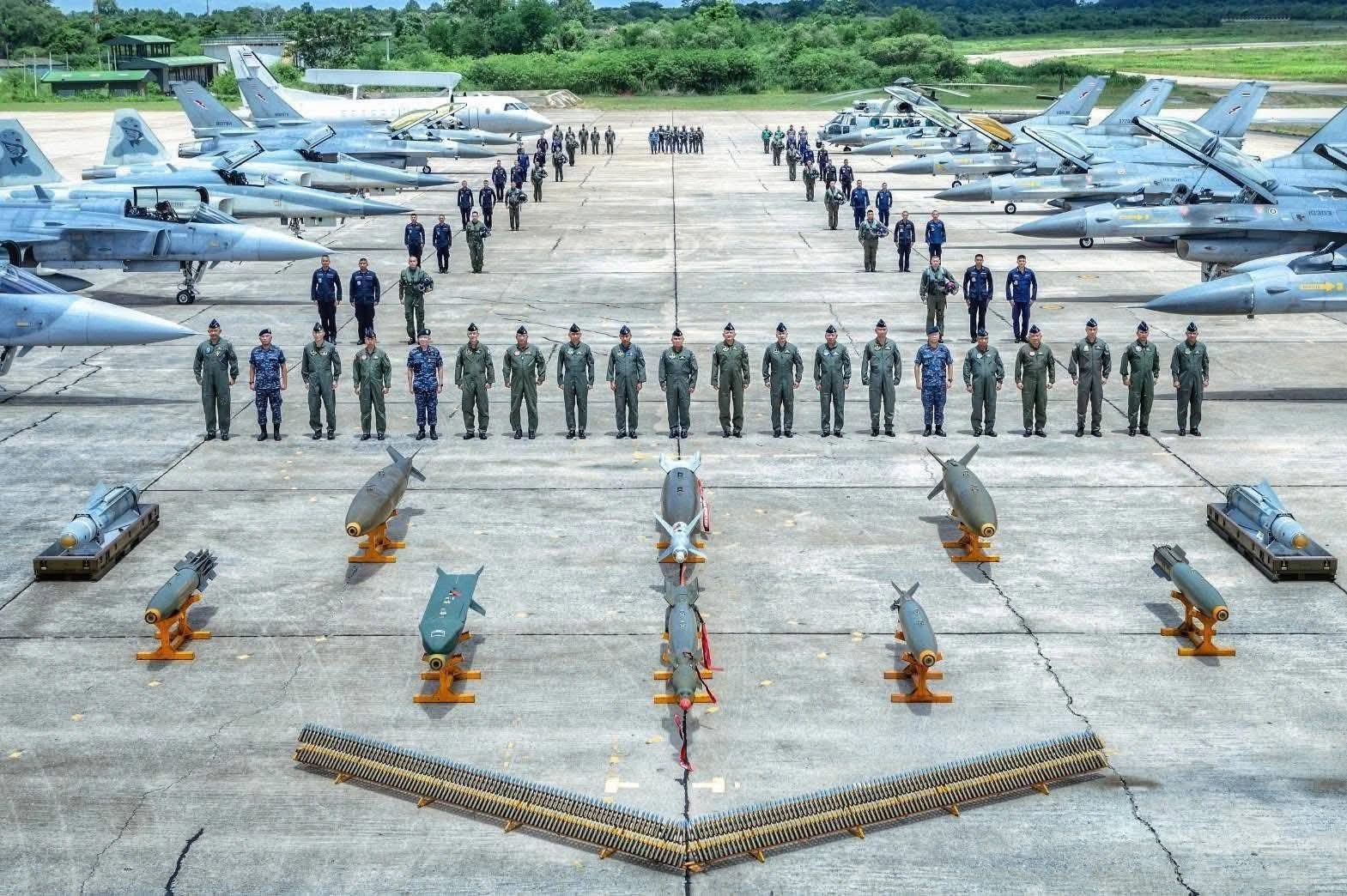
There is ample evidence—both on the ground and widely recognized by the national and international community—of Thailand’s hostile intent toward Cambodia. Below are nine clear indicators that Thailand was the first to strike:
- May 28, 2025: Thai forces opened indiscriminate fire on Cambodian positions at Môm Bey at dawn, wounding a Cambodian soldier—even though no provocation had occurred.
- Repeated Rejections of ICJ Oversight: The commander of Thailand’s Second Army repeatedly refused to accept International Court of Justice jurisdiction, boasting “if you want territory, let’s shoot for it.” Such rhetoric alone is a prelude to war.
- Public Threats by Thai Politicians: Thai leaders have threatened time and again that they could reach and seize Phnom Penh in three hours, then occupy Koh Kong province, etc. These statements reveal a premeditated war plan.
- Unilateral Troop Movements: Thai forces have continuously deployed and maneuvered heavy equipment and troops—digging new military roads and breaching previously agreed-upon boundaries—then advancing into Cambodian territory, forcing Cambodia to respond defensively.
- “Sacrifice Your Troops” Tactics: Thailand has repeatedly sent soldiers into former conflict zones—where landmines remain—to provoke explosions causing casualties, then accuse Cambodia at the United Nations to stoke domestic outrage.
- Undercover Provocations at Prasat Ta Moan: Thai soldiers posing as tourists have repeatedly ridden bicycles into the Prasat Ta Moan archaeological site to bait Cambodian troops—intentionally creating confrontations with Cambodian soldiers and visitors.
- July 23, 2025: Thailand summoned its own ambassador and expelled Cambodia’s ambassador, downgrading diplomatic relations without following any proper protocol—escalating tensions further.
- Public Announcements to Seal Ta Moan: Thai politicians and military leaders openly declared they would encircle and close all gates at Ta Moan on the morning of July 24. Issuing such orders ahead of time is a textbook act of aggression.
- Propagation of an Old Invasion Plan: On July 23, Thai authorities circulated “Operation Phuonata”—a 2011 invasion blueprint that had previously failed—again mobilizing their First and Second Army commands in preparation for renewed attacks.
All of these actions—diplomatic, economic and military—demonstrate Thailand’s premeditated intent to ignite hostilities under any pretext. On the morning of July 24, 2025, Thai forces surrounded Ta Moan (Prasat Ta Moan) in full knowledge that it lies on Cambodian sovereign soil under the 1907 Franco-Siamese Treaty, then opened fire. Cambodia had no choice but to exercise its right of self-defense.

Historical Context of Thai Aggression
Thailand’s aggression against Cambodia is not new. Past incursions include:
- 1941: During World War II, Thailand seized Cambodian territories under Japanese auspices.
- 1949: Thai troops and police occupied the area around Prasat Preah Vihear.
- 1954: Thailand again deployed forces to take control of Prasat Preah Vihear.
- April 12–19, 1966: Thai forces launched another assault on the temple complex.
- July 15, 2008: Thailand conducted a major operation against Preah Vihear, targeting four strategic points (Phnom Trop, the Bird Airport, Wat Kaew Sikha Kirivath, and the eastern market).
- May 28, 2025: Thai forces attacked Môm Bey without warning, wounding a Cambodian soldier.
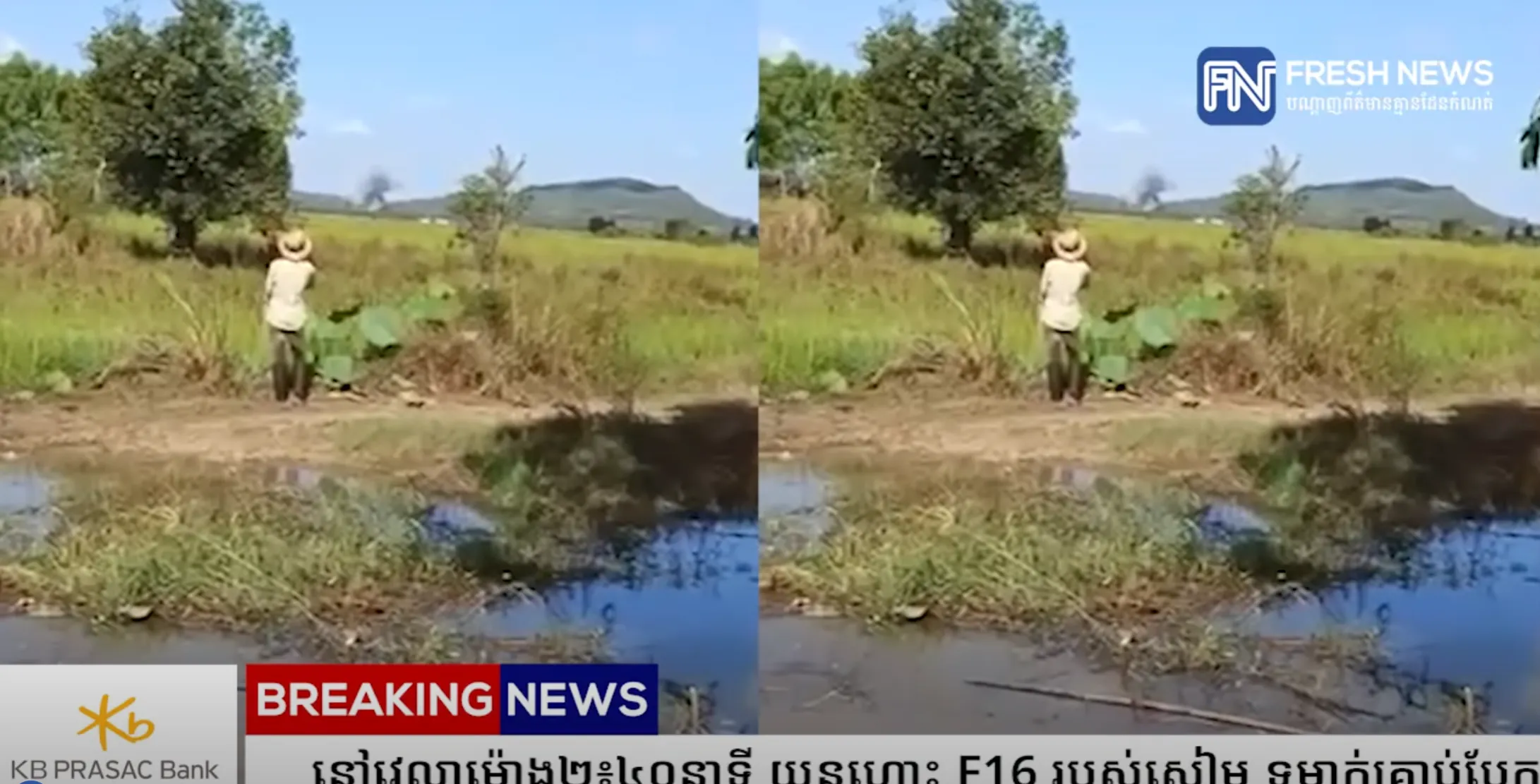
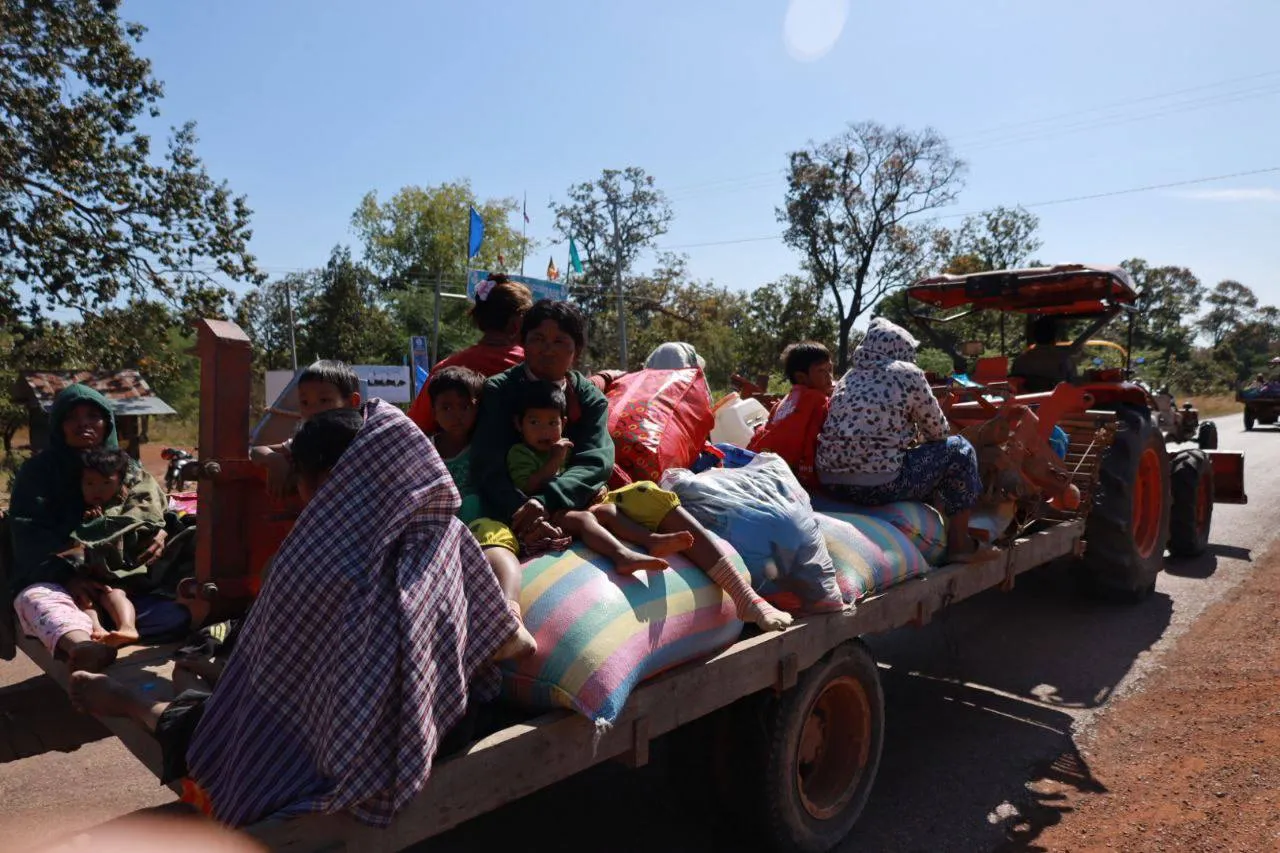
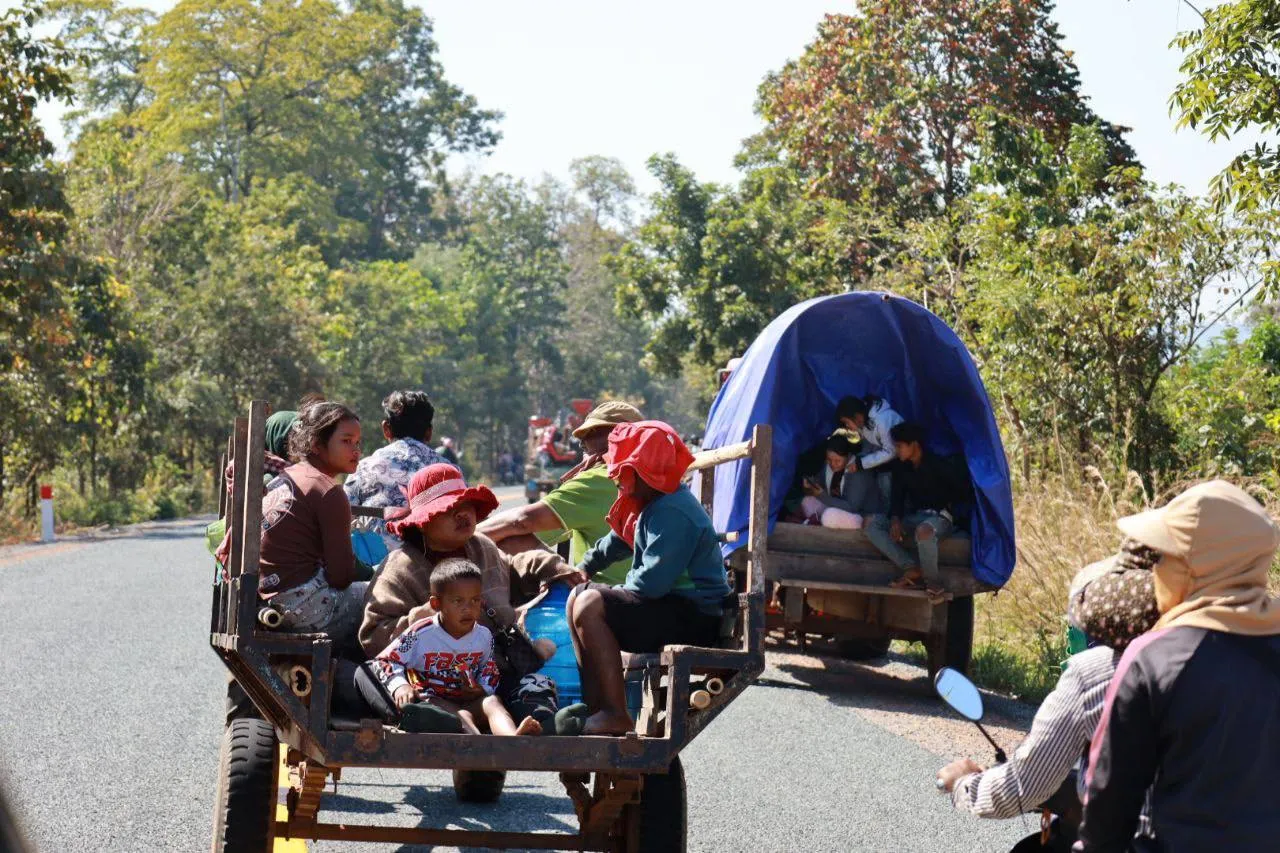
- July 24, 2025: Thai troops initiated fresh hostilities along eight locations on the border of Oddar Meanchey and Preah Vihear provinces—firing on both military and civilian targets—forcing Cambodia’s armed forces to secure Ta Krabei and Ta Moan and defend its sovereign territory.
In sum, from diplomatic expulsions to blatant battlefield provocations, Thailand’s repeated pattern of hostility makes it unmistakably the party that struck first. Cambodia’s return fire on July 24 was purely an act of self-defense against an unprovoked Thai offensive.


Leave a Reply